The Golden Journey: Unveiling the Etymology of Turmeric
The world of spices is a captivating realm where history, culture, and flavors intertwine. Among the myriad of spices that have adorned our plates for centuries, turmeric stands out as a shining star. Known for its vibrant color and distinct flavor, turmeric has a rich history that stretches back through the ages.
Exploring the etymology of turmeric unveils a journey that spans continents and civilizations, showcasing its significance beyond the culinary realm.
The Origin:
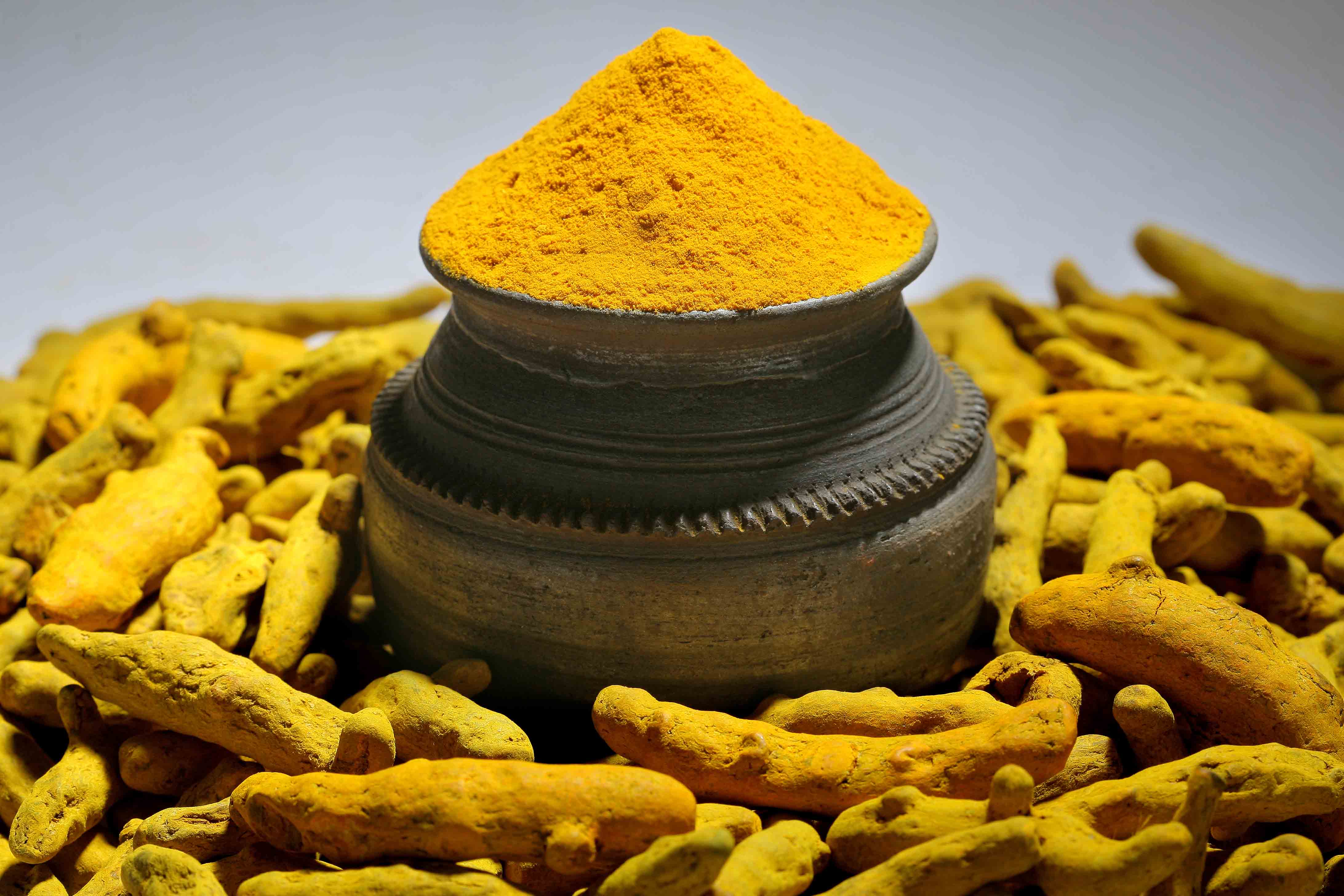
Turmeric, scientifically known as Curcuma longa, has its origins rooted in South Asia. It is native to the Indian subcontinent, particularly India and Southeast Asia. The Sanskrit name for turmeric is "haridra," which translates to "yellow wood." This name reflects the deep connection between the spice and its brilliant yellow hue that has been used to dye fabrics and adorn rituals for millennia.
Linguistic Wanderings:
The name "turmeric" itself is a testament to the spice's widespread use and influence. The word "turmeric" is derived from the Latin word "terra merita," meaning "meritorious earth" or "worthy earth." This Latin term refers to the spice's association with the deep orange-red color of the soil in which it is grown. The connection between the vibrant earth and the radiant color of turmeric adds another layer to its allure.
Cultural Significance:
Turmeric has played a pivotal role in various cultures throughout history. In India, it has been a part of Ayurvedic medicine for centuries, valued for its purported healing properties. The spice has also been used in Hindu rituals, symbolizing purity, fertility, and prosperity. Its appearance in traditional ceremonies, such as weddings and festivals, reflects its esteemed status in Indian culture.
Influence on Language and Traditions:
Beyond its culinary and cultural uses, turmeric has influenced language and traditions in many societies. In Malay and Indonesian languages, the word for turmeric is "kunyit," while in Thai, it is called "khamin." These words reflect the spice's impact on local cuisines and languages as it traveled across regions.
Global Spread:
Turmeric's journey did not stop at South Asia. As trade routes expanded and global exploration advanced, this golden spice found its way to various corners of the world. It became an integral part of Middle Eastern and North African cuisines, where it is often featured in savory dishes and spice blends. In European history, turmeric was initially used as a substitute for the more expensive saffron, and it even earned the nickname "Indian saffron."
Conclusion:
The etymology of turmeric unveils a narrative that spans time and space, connecting cultures, languages, and traditions. From its roots in South Asia to its influence on global cuisines, turmeric's journey is a testament to the profound impact that spices can have on our world. Beyond its culinary and aesthetic attributes, turmeric's significance in rituals, medicine, and culture further solidifies its place in the annals of history. As we sprinkle this golden powder into our dishes, let us remember the vibrant tapestry of stories woven into every particle of this remarkable spice.

Comments
Post a Comment